China Overseas Co-Creation Ecosystem
News
Message from the Director of the China Overseas Co-Creation Ecosystem
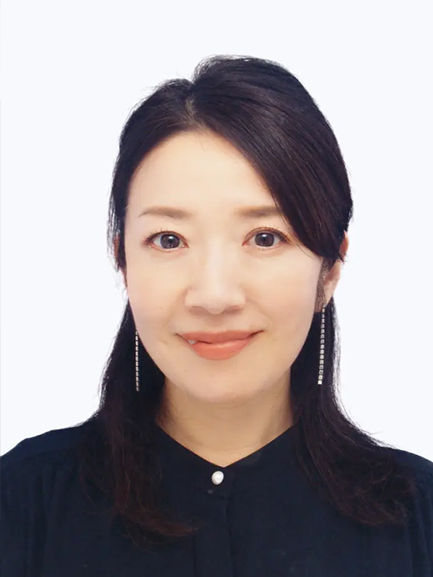
Director, China Overseas Co-Creation Ecosystem
More than 1,800 international students are currently enrolled at Hiroshima University, coming from 96 different countries and regions (as of May 1, 2024). Over 1,000 of these international students are from China, and many Japanese students from Hiroshima University also choose to study abroad in China. I myself studied at Fudan University in Shanghai as a government-sponsored international student in the late 1990s while enrolled in graduate school at Hiroshima University.
Hiroshima University has long been actively engaged in academic and educational exchange with overseas institutions. In particular, it has placed strong emphasis on exchange with China from an early stage, accumulating a wealth of experience and accomplishments to show for many years of collaboration. Based on this experience, Hiroshima University established a joint research center with Capital Normal University in 2002. Subsequently, education and research bases were established at Shanghai Normal University in 2009, Yanshan University in 2018, and both Southwest University of Political Science and Law and Changchun University in 2019, further actively promoting academic and educational exchange. Since 2006 at the Beijing Research Center and 2014 at the Shanghai Research Center, Japanese essay and speech contests have been continuously held, achieving significant results.
Although some activities were restricted due to COVID-19, Hiroshima University’s co-creation with China is now entering a new stage through the recently established Global Campus Institute. Moving forward, in addition to student exchange, academic collaboration, and international joint research, we aim to actively expand initiatives such as internships, career support, and partnerships with members of Chinese academia, industry, and government. Through these efforts, we hope to build new forms of co-creation.(Kawashima)
Faculty Introduction (China Overseas Co-Creation Ecosystem)
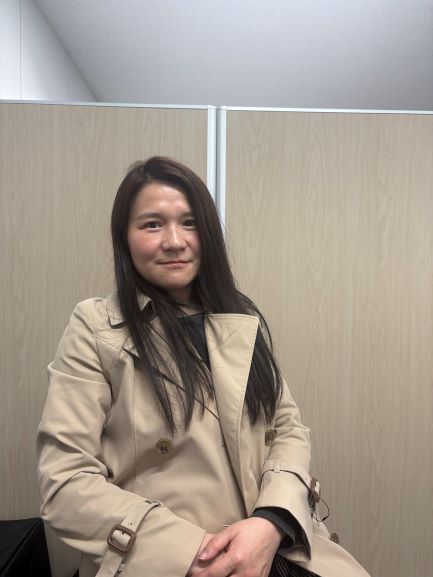
Associate Professor
My name is Shouni Tang, and I have recently begun working for the Global Campus Institute’s China Overseas Co-Creation Ecosystem. My specialty is grounded in architecture and urban science, while adopting an interdisciplinary approach that integrates affective engineering and pedagogy. Specifically, I have engaged in research which utilizes methods for measuring physiological responses, such as people’s line of sight and brain waves, to shed light on spatial cognition and behavioral characteristics within urban spaces and constructed environments. (To give some examples, I analyze cognitive pathways and avoidance behaviors in underground public spaces, and evaluate urban development while incorporating perspectives on city image, gender, and diversity.)
This kind of research is being socially implemented both domestically and internationally, as it directly contributes to barrier-free urban spaces, universal design, and sustainable urban and architectural design grounded in an understanding of the local culture.
The Global Campus Institute, Hiroshima University serves as a platform for advancing “overseas co-creation,” which creates new value through collaboration with globally active alumni, businesses, and local governments. As a member of this institute, I hope to leverage the academic connections cultivated between China and Japan to contribute to international education, research, and community development through practical industry-academia-government partnerships. I look forward to your continued support.
Overview of the China Overseas Co-Creation Ecosystem)
An overview of the China Overseas Co-Creation Ecosystem is as follows:
- Satellite Campus Established at Capital Normal University
- Collaboration with Chinese Alumni Associations:
- The Hiroshima University-China Friendship Meeting (Established in Dec. 2005)
- The Hiroshima University Beijing Alumni Association (Established in Oct. 2010)
- The Hiroshima University Shanghai Alumni Association (Established in Dec. 2009)
- The Hiroshima University Dalian Alumni Association (Established in Nov. 2014)
- Hiroshima University China Office (Capital Normal University)
- Overseas Education and Research Bases:
- CNU-HU Joint Education and Research Center (Capital Normal University, Beijing)
- Hiroshima University Shanghai Education Research Center (Shanghai Normal University, Shanghai)
- Hiroshima University Qinhuangdao Education Research Center (Yanshan University, Qinhuangdao)
- Hiroshima University Chongqing Education Research Center (Southwest University of Political Science & Law, Chongqing)
- Hiroshima University Changchun Education Research Center (Changchun University, Changchun)
Information for Students and Researchers from China Applying to Hiroshima University
Graduate Schools
Graduate School of Humanities and Social Sciences
- Humanities Program
- Law and Politics Program
Graduate School of Advanced Science and Engineering
- Graduate School of Advanced Science and Engineering
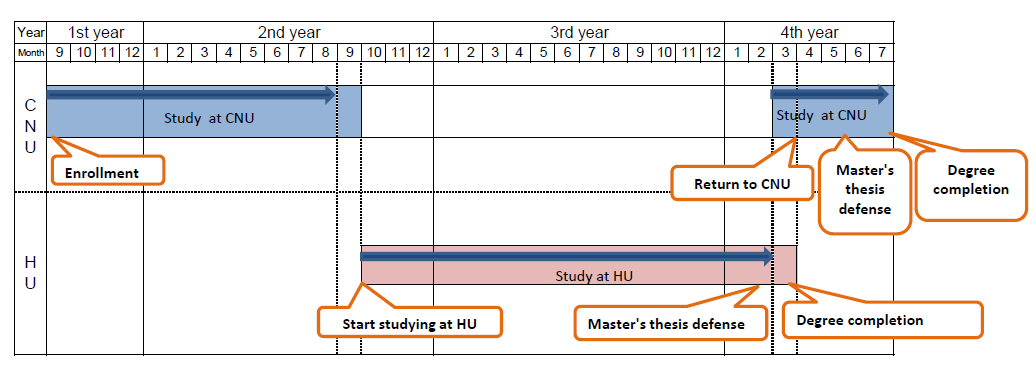
Double Degree Program with Capital Normal University
In 2015, HU and Capital Normal University established a Joint Graduate School Program, which offers a Double Degree Program for master’s students.
【Participating Graduate Schools and Programs】
Graduate School of Humanities and Social Sciences(Integrated Arts and Human Sciences Program, Humanities Program, Law and Politics Program)
Chinese Government Scholarship Program
Please click here for details of Chinese Government Scholarship Program